
Wildlife Photography · Animal Behaviour · Fieldcraft · Ethical Photography
Reading Animal Behaviour Before Taking the Shot
1 December 2013
Wildlife photography is often misunderstood as a test of speed, gear or luck. In reality, one of its most important skills begins before the camera is even raised, reading animal behaviour.
A strong wildlife photograph is rarely just about timing. It is about anticipation. And anticipation comes from observation.
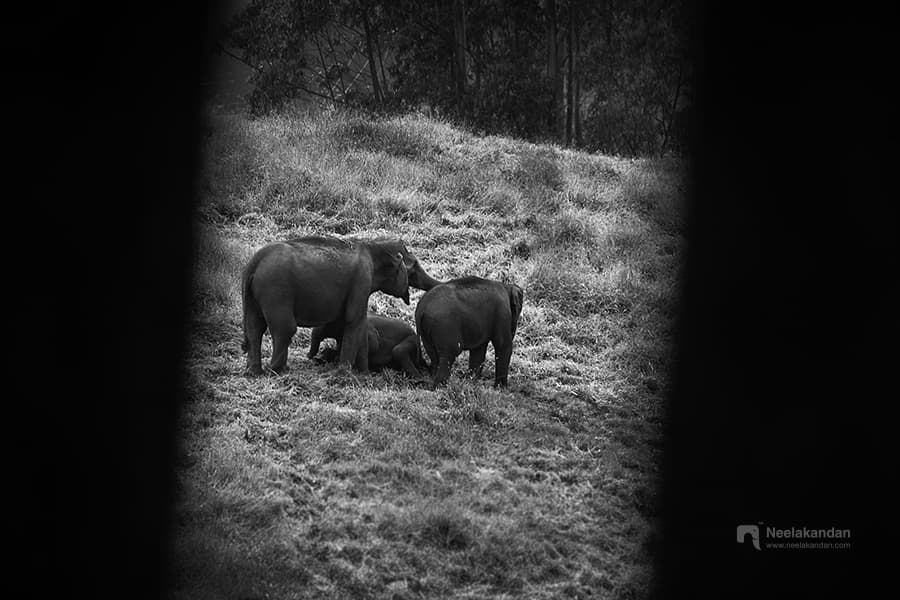
Animals are constantly communicating through posture, rhythm, movement, spacing and response to their surroundings. A bird pausing and lifting its head may be seconds away from flight. A deer that suddenly stiffens is reacting to sound, scent or danger. An elephant’s ears, trunk movement and body angle can reveal whether it is relaxed, curious, defensive or deeply uncomfortable. These signals matter, not only because they help predict the image, but because they tell the photographer how close is too close, when to wait, and when to step back.
Good wildlife photography depends on recognising the difference between presence and pressure. An animal that tolerates a photographer’s presence is not necessarily at ease. Repeated head turns, alert posture, interrupted feeding, restless shifting or fixation in one direction are often signs that the subject is no longer behaving naturally. Once that happens, the photograph may still be sharp, but it has already lost something more important: honesty.
Reading behaviour also improves the quality of the image itself. It helps a photographer move beyond random documentation and toward meaningful moments. A frame becomes stronger when it captures intent rather than accident, an approaching stare, a pre-flight pause, a feeding pattern, a territorial response, a brief exchange between parent and young. These moments are rarely luck. They are the result of patience and attention.
This is especially true in forest conditions, where visibility is limited and opportunities are brief. In such environments, behaviour is often the only reliable guide. The photographer who studies the subject before shooting will usually see more, disturb less and come away with images that feel more alive.
There is also an ethical reason this matters. Wildlife photography should not force behaviour for the sake of a picture. When photographers learn to read signs of stress, hesitation or defensive change, they become less intrusive and more responsible in the field. Respect begins with observation.
In the end, the best wildlife photographers are not simply quick with the shutter. They are good readers of silence, tension, rhythm and intent. They understand that the image is only one part of the encounter. The deeper skill lies in knowing what the animal is saying before the photograph is taken.
Because in wildlife photography, the frame is not made in the camera first. It is made in the mind of the observer.